
State Symbol
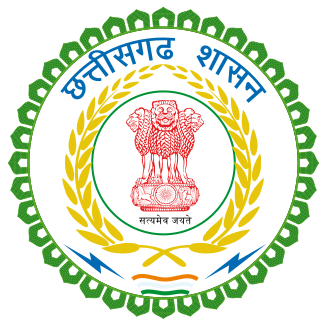
The official emblem of Chhattisgarh is circular in design, symbolizing unity and identity. At its center is the national emblem of India—the Ashoka Pillar—depicted in red, with the words "Satyamev Jayate" (Truth Alone Triumphs) inscribed below it. Surrounding the central emblem are 36 small forts, representing the name “Chhattisgarh,” which means the “Land of 36 Forts.” Two golden stalks of paddy encircle the emblem, symbolizing agriculture and prosperity. At the bottom, the Indian tricolor is shown in wave form, representing rivers and the national spirit. An energy symbol is also included, signifying the state’s focus on development, progress, and self-reliance. The emblem beautifully captures the heritage, values, and vision of Chhattisgarh.
State Bird "Hill Myna"
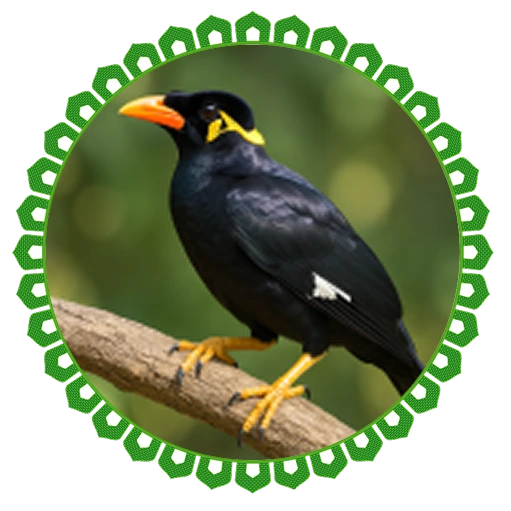
The Hill Myna, scientifically known as Gracula religiosa peninsularis, is the state bird of Chhattisgarh. Known for its remarkable ability to mimic human speech, the hill myna is often compared to parrots. This unique bird is primarily found in the hilly regions of Bastar and has become a symbol of the state's rich biodiversity. To ensure its protection, the government has taken steps to conserve the bird in areas like Kanger Valley National Park. However, due to increasing threats like illegal hunting and trade, the hill myna population has declined significantly and is now considered endangered. The state government continues to make efforts to preserve this iconic species and prevent further loss of its natural habitat.

State Animal "Wild Buffalo"
The Wild Buffalo, scientifically known as Bubalus bubalis, is the state animal of Chhattisgarh and is also called the forest buffalo. The wild buffaloes found in Chhattisgarh are considered among the purest breeds, giving them unique importance. Earlier, they were commonly found in the dense forests of Bastar and Amarkantak. However, due to rising human population, habitat loss, and deforestation, their natural environment has been severely affected, causing a sharp decline in their numbers. Today, wild buffaloes are mainly found in the Udanti Wildlife Sanctuary and Indravati National Park, located in the Dantewada district. The state government is taking steps to conserve this endangered species and protect its natural habitat to ensure its survival for future generations.

State Tree "Sal Tree"
The Sal Tree, scientifically known as Shorea robusta, is the state tree of Chhattisgarh. It is a tall and sturdy tree, with a height ranging from 12 to 30 meters. Sal trees cover about one-third of Chhattisgarh's forest area, making them a significant part of the state's natural vegetation. The highest concentration of sal trees is found in the Bastar district, which is why Bastar is often called the "Land of Sal Trees" or the "Sal Forest Land." The wood of the sal tree is known for its strength and durability and is widely used as timber in construction and furniture. The state recognizes the sal tree as an important symbol of its rich forest heritage and ecological balance.
State flower "Marigold"
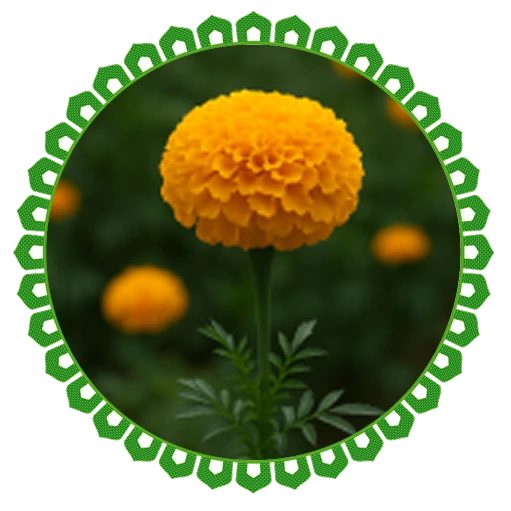
The Marigold flower, scientifically known as Tagetes, is the state flower of Chhattisgarh. It is a bright, vibrant flower that is widely cultivated and found across the entire state. Known for its golden-yellow and orange hues, the marigold holds cultural and religious importance in various festivals and ceremonies. It is a seasonal flower, commonly grown during certain times of the year, especially in winter. Due to its easy cultivation and adaptability to different soil conditions, marigold farming is also a source of income for many farmers in the state. In addition to its ornamental value, marigold flowers are used in making garlands, decorations, and natural dyes. It symbolizes beauty, prosperity, and is an integral part of Chhattisgarh's flora.